When Is Hospice Called In For Cancer Patients? Everything You Need To Know.
In this post you will be reading about When Is Hospice Called In For Cancer Patients? Everything You Need To Know.
If you’re reading this, chances are you or someone you love has been navigating the ups and downs of cancer care.
Deciding when to bring in hospice services is one of the most emotional and overwhelming choices family members face.
I am a therapist who has worked with many cancer patients and families during this transition, and as I’m writing this post my father is also in his final stage of life and is receiving the care he needs at home.
So, I’m also writing from first hand experience.
The truth is: hospice is not about giving up.
It’s about shifting the focus toward comfort, dignity, and quality in the final days or months of life.
And understanding the hospice cancer timeline, the difference between hospice vs palliative care, and even “what hospice does not tell you” can make this journey less confusing.
Let’s dive in.
This post may contain affiliate links which means I may receive a commission for purchases made through links (at no extra cost for you). As an Amazon Associate I earn from qualifying purchases. Learn more on my Private Policy & Disclaimer page.
What Is Hospice Care For Cancer Patients?
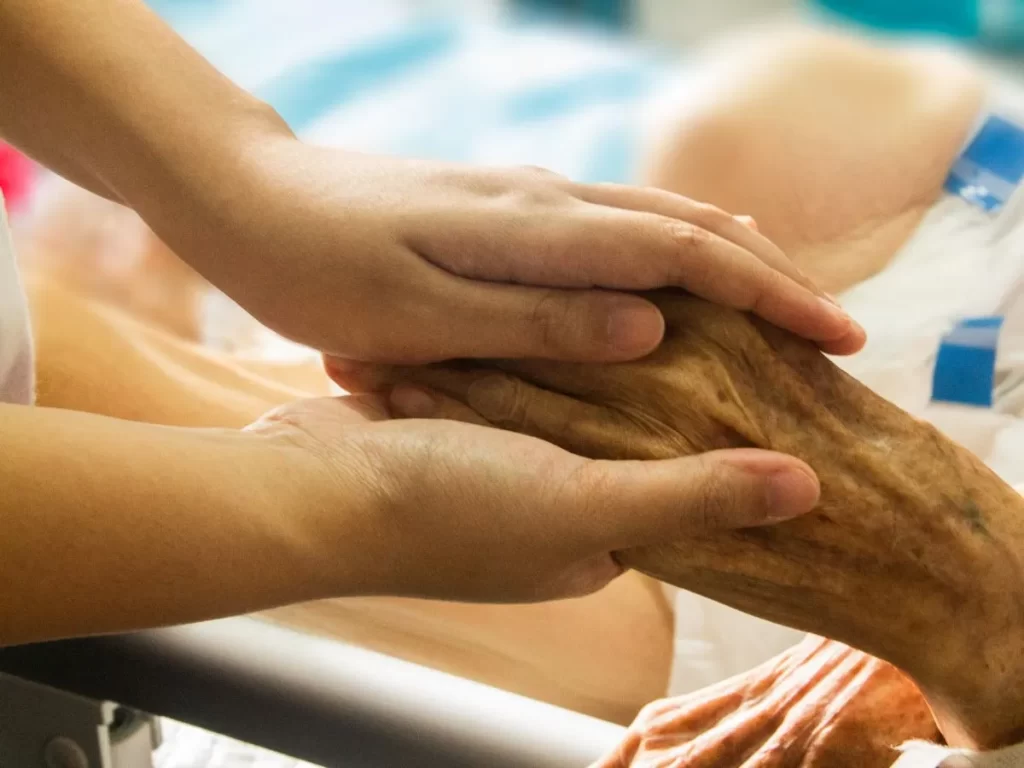
Hospice is a form of end-of-life care designed for people living with a life-limiting illness such as advanced cancer.
The goal of hospice care is to improve the patient’s quality of life by focusing on comfort care, symptom management, and emotional support—rather than continuing aggressive curative treatment.
The Hospice Care Team

One of the strengths of hospice is the interdisciplinary team of professionals that provides care.
Depending on your patient’s needs, the hospice care team may include:
- A hospice doctor and hospice nurse for medical care, pain management, and symptom management
- Home health aides to help with bathing, meals, and daily needs
- Social workers for practical support and connections to support groups
- Occupational therapists to maintain independence as long as possible
- A clergy member or spiritual care provider for spiritual needs and spiritual support
- Bereavement care for family caregivers after the patient passes
When my father entered a hospice program, I was amazed at how quickly his care plan became a full-circle support system.
His hospice nurse visited several times a week, his social worker checked in with us by phone calls, and his local church provided spiritual support.
It gave our family comfort knowing he wasn’t going through this alone.
The Hospice Cancer Timeline

Many families wonder: when is the right time to call hospice?
According to the medicare hospice benefit, hospice is typically recommended when a patient has a life expectancy of six months of life or less, if the disease follows its normal course. (read more)
However, some patients remain on hospice longer if they continue to meet the criteria.
Signs It May Be Time To Consider Hospice:
- Advanced stage or advanced cancer diagnosis
- Uncontrolled pain despite pain medication
- Rapid weight loss or physical decline
- Exhaustion from side effects of medical treatments
- Multiple hospitalizations or increasing need for hospital beds
- The cancer care team has stopped recommending clinical trials or active cancer treatment
I’ve often seen families wait until the very final days before asking about hospice.
By then, both patients and family caregivers are exhausted.
Starting earlier allows more time for regular visits, practical support, and those irreplaceable moments of quality time at the patient’s home or own home.
What Hospice Does Not Tell You

While hospice provides tremendous benefits, there are realities many families don’t fully understand until they’re in it:
- Curative care stops. Once hospice begins, the focus shifts away from curative treatment or curative care. This can be emotionally hard for patients hoping for more treatment options.
- Family caregivers take on a larger role. Even with help from the hospice care team, the primary caregiver (often a spouse or adult child) provides daily support.
- Different needs require different support. Not every patient’s home is fully equipped for medical equipment like oxygen or special beds. Hospice helps set these up, but it can be an adjustment.
- Final days can be unpredictable. Some people rally, while others decline quickly. Hospice helps families prepare, but it’s still a difficult time.
Knowing this up front helps families set realistic expectations and ask their healthcare team the right questions.
Hospice vs Palliative Care

Families often confuse palliative care clinics with hospice.
Both are forms of supportive care, but they serve different purposes:
- Palliative care team:
- Can be introduced at any point after a cancer diagnosis, even during active cancer treatment or clinical trials.
- Focuses on symptom management, side effects, and improving person’s quality of life.
- Hospice care team:
- Begins when a terminal illness reaches an advanced stage and the health care provider determines curative treatment is no longer effective.
- Hospice focuses solely on end-of-life care.
Think of palliative care as an extra layer of support throughout treatment, and hospice as the next step when treatment goals shift from cure to comfort.
Who Pays For Hospice Care At Home?

The financial side of hospice is one of the biggest concerns families bring up.
The reassuring news is that most hospice services are covered.
Coverage Options
- Medicare hospice benefit: Covers most costs, including nursing care, medical equipment, pain medication, and regular visits from the hospice team.
- Private insurance plans: Many also cover hospice, though benefits vary.
- Local hospice organizations: May provide financial assistance or sliding-scale payment options.
- Palliative care organizations: Sometimes offer help for patients who are not yet hospice-eligible.
For my father, his health insurance covered nearly everything—from his hospital bed to his medications. The hospice nurse explained what was included in his plan of care, which lifted a huge financial burden off our family.
Support For Families During A Difficult Time

Hospice isn’t just for patients—it’s also designed to support family caregivers.
Many programs offer:
- Respite care to give primary caregivers a break
- Support groups to connect with other families going through similar challenges
- Practical support (meals, supplies, medical equipment)
- Bereavement care after a loved one passes
Respite care: If your usual caregiver (like a family member) needs rest, you can get inpatient respite care in a Medicare-approved facility (like a hospice inpatient facility, hospital, or nursing home). Your hospice provider will arrange this for you. You can stay up to 5 days each time you get respite care. You can get respite care more than once, but only on an occasional basis.
The gift of quality time is one of the biggest benefits of hospice care.
Book Recommendations

“On Grief and Grieving: Finding the Meaning of Grief Through the Five Stages of Loss” by Elisabeth Kübler-Ross and David Kessler.
On Grief and Grieving is a powerful read because it was co-written by Elisabeth Kübler-Ross, who first introduced the five stages of grief, and David Kessler, a grief expert who brings warmth and compassion to the framework.
The book normalizes grief by reminding readers there’s no “right way” to mourn, while blending clinical insight with heartfelt, real-life stories.
It applies to many kinds of loss, not just death, making it universally relatable. Most importantly, it gives language to the overwhelming emotions of grief, helping readers—and their loved ones—better understand and navigate this difficult process.
“Nothing to Fear: Demystifying Death to Live More Fully” by Julie McFadden
This is an honest, compassionate look at what really happens at the end of life.
Julie McFadden draws on her years of bedside experience to explain the dying process in clear, comforting ways that ease fear and uncertainty.
This book is a good purchase because it not only answers the questions so many people are afraid to ask but also helps readers embrace life more fully by understanding death as a natural part of it.
“From Here to Eternity: Traveling the World to Find the Good Death” by Caitlin Doughty
It’s a fascinating read for anyone curious about how different cultures approach death and dying.
Written by mortician and death positivity advocate Caitlin Doughty, this book takes you on a journey across the globe to explore unique funeral traditions that challenge Western ideas about what a “good death” looks like.
It’s both eye-opening and comforting, making it a great purchase for anyone navigating grief, working in end-of-life care, or simply wanting a fresh perspective on how to talk about death with more honesty and peace.
FAQs About Hospice For Cancer Patients

1. What is the hospice cancer timeline?
Hospice usually begins when a health care provider determines a patient has six months of life or less if the disease continues its normal course. Some patients remain longer if their condition stabilizes.
2. What does hospice not tell you?
That curative treatment stops, and family caregivers often take on more responsibility as the primary caregiver. It’s important to ask about these realities before starting a hospice program.
3. What’s the difference between hospice vs palliative care?
Palliative care specialists can be involved during active cancer treatment, while hospice begins when treatment goals shift solely to comfort care and end-of-life care.
4. Who pays for hospice care at home?
The medicare hospice benefit, private insurance plans, and some local hospice organizations cover most of the costs, including medical care, medications, and regular visits.
In this post you read about When Is Hospice Called In For Cancer Patients? Everything You Need To Know.

To Summarize
Deciding on hospice is never easy, but it doesn’t mean giving up.
Instead, it’s about creating a plan of care that prioritizes dignity, peace, and quality of life for both the patient and their loved ones.
If you’re wondering whether now is the right time, talk with your family doctor, cancer care team, or a palliative care specialist.
Hospice exists to help with the difficult time you’re facing, so you don’t have to carry the weight alone.
Other Posts You Will Love
- 29 Caregiver Quotes You Will Love
- Best Crystals for Cancer And Healing Energy
- Best Tips To Avoid Caregiver Burnout You Will Love
- Comforting Hospice Quotes They Will Love
- Best Hospice Care Package Ideas They Will Love
About The Author
Written by Belén, a former therapist, late-diagnosed neurodivergent woman, and stay-at-home mom to her autistic son. She creates thoughtful, practical content to support caregivers and families navigating hospital stays, disability, and neurodivergent life.
If you are having a hard time navigating when is Hospice called in for cancer patients? then this is the post for you! Let’s dive in.