Best Tips To Avoid Caregiver Burnout You Will Love
In this post you will read about the Best Tips To Avoid Caregiver Burnout You Will Love
If you clicked on my post is because you are looking for some tips and tricks to overcome or avoid caregiver burnout.
Whether you’re taking care of a loved one with a chronic illness, disability, or special needs, caregiver burnout is REAL!
The stress and demands can feel overwhelming, and we may not even know we are in burnout until it’s too late.
That’s why I made this post.
Let’s dive into what is caregiver burnout, its stages, and how to manage stress to keep yourself healthy and happy. Let’s go!
This post may contain affiliate links which means I may receive a commission for purchases made through links (at no extra cost for you). As an Amazon Associate I earn from qualifying purchases. Learn more on my Private Policy & Disclaimer page.
Understanding Caregiver Burnout
What Is Caregiver Burnout?

Caregiver burnout is a state of physical, emotional, and mental exhaustion that can occur when the stress of caregiving becomes too much.
It’s different from ordinary stress because it doesn’t go away with a short break or a vacation.
So if someone suggest you just “take a nap” or “take it easy”…. that’s not really going to fix it.
Burnout can leave you feeling hopeless, irritable, and unable to cope.
What Is The Difference Between Caregiver Burden and Caregiver Burnout
They both have to do with the impact taking care of another person has on the caregiver.
In a simplistic explanation, it would be the decline in the caregiver leading to burnout.
“Caregiver burden impacts not only the caregivers through things such as missing doctor appointments or having to stop full-time work, but these burdens can also affect the care recipient, who can be neglected by their caregiver.” (O. Fumaneeshoat, M.D)
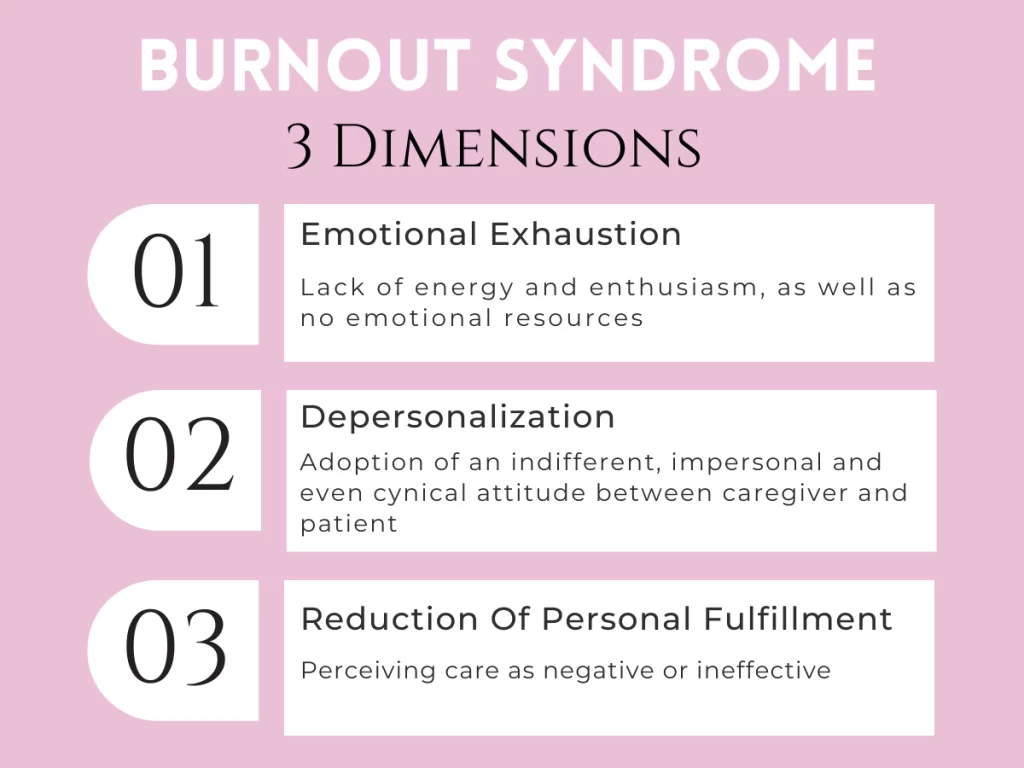
Caregiver Burnout Syndrome: 3 Dimensions
Why Women Are Particularly Susceptible
The quick and easy answer is because if society and it’s demand on a woman’s’ time.
According to the National Alliance for Caregiving and their recent 2020 results, 61% of women in comparison to 39% of men are the family’s caregiver.
Women, often juggle multiple roles—caregiver, professional, spouse, and parent.
This constant balancing act increases the risk of burnout.
The toll that caregiving takes is not just financial. “Higher levels of depression, anxiety, and other mental health challenges are common among women who care for an older relative or friend.” (Family Caregiver Alliance)
Recognizing Caregiver Burnout Symptoms and the Stages of Burnout
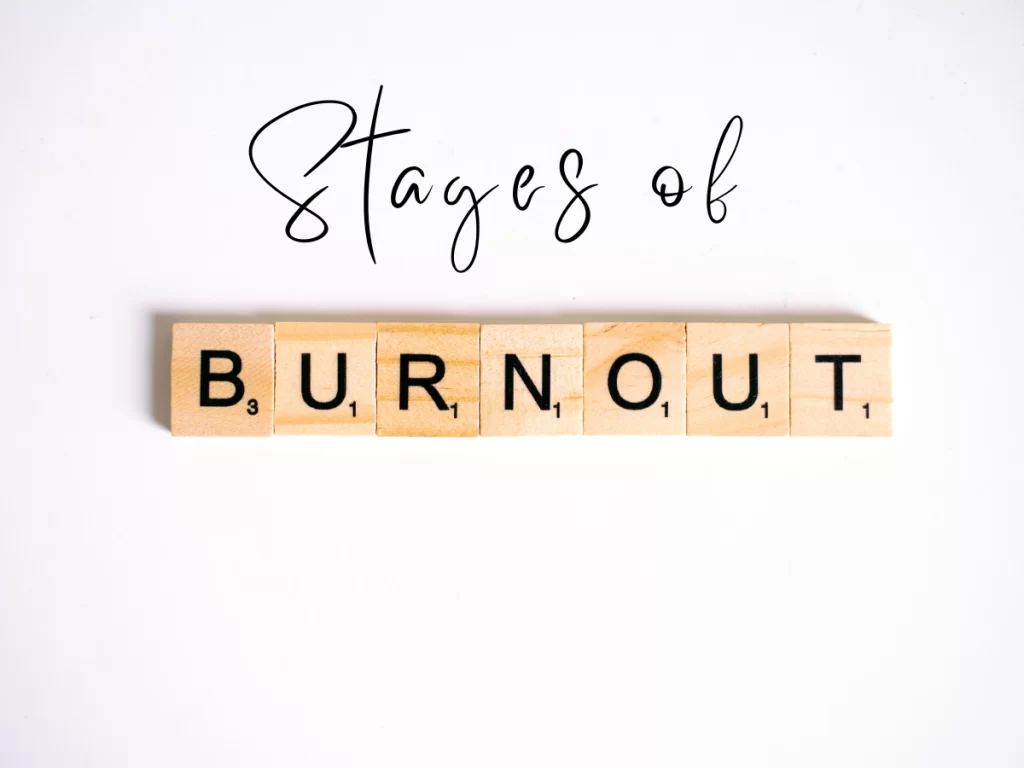
1. Enthusiasm and Commitment
In the beginning, you’re enthusiastic and committed to providing the best care.
You don’t necessarily know all the details but you dive in with the best of intentions.
You look for information online, read books, try to piece things in order to get organized, and are determined to do a good job as a caregiver.
As with any new role, we put our best foot forward.
2. Stagnation
As time goes on, the initial enthusiasm starts to dwindle.
You begin to feel the weight of your responsibilities.
I found myself feeling tired more often but kept pushing through, thinking it was just part of the process.
3. Frustration
Frustration creeps in as the demands increase and personal time diminishes.
You start to realize that it’s starting to take over other aspects of your life.
There is no longer “free time”, your time is dependent on how the other person is doing.
“Overall, these studies show that a subgroup of caregivers is at risk for negative health outcomes. They are characterized as having high levels of caregiving demands, experiencing chronic stress associated with caregiving, and being physiologically compromised.” (Richard Schulz, PhD)
4. Apathy and Withdrawal
Emotional detachment begins, and you might withdraw from social activities.
During this stage, you may notice you begin to isolated yourself from friends and family, feeling no one understands your struggles.
You slowly start to no longer wish to do things that used to bring you joy.
5. Burnout
Finally, full-blown burnout sets in.
Chronic fatigue, depression, and a weakened immune system become your daily companions.
If you feel you are here, there is always a way out.
And, if you feel you are headed in this direction, there are things you can do, to revert it.
You are never STUCK even though it may feel that way sometimes.
Things always can change.
You just have to sit down, take a look at your situation, and make a realistic plan.
Things don’t change overnight.
Practical Tips for Managing Stress and Preventing Burnout
1. Physical Self-Care
Prioritizing Sleep and Rest:

Make sure you’re getting enough sleep.
This is easier said than done, I know.
But, sleep has a HUGE impact on our health. It’s much more than just feeling tiered or getting “rest”.
“Chronic insufficient sleep is associated with an increased risk of mortality and contributes to both the individual risk and societal burden associated with several medical epidemics, including cardiovascular disease, diabetes, obesity, and cancer.” (Kannan Ramar, MD)
It has an impact on our physical health as well as our mental health.
So, how are you expected to take care of someone else if you yourself are not doing ok?
Some of the most common suggestions is to try and make a sleep schedule or routine.
To stop consuming stimulants like coffee, teas, carbonated drinks like Coca-Cola at night.
To reduce the amount of screen time, allowing your body to naturally unwind.
You could incorporate things like Taylors of Harrogate Organic Chamomile Herbal Tea instead. This will help unwind and get you more relaxed and ready for bed.
Seven Minerals, Pure Magnesium Oil Spray is another thing people swear by to help them relax and get better sleep.
Incorporating Exercise and Healthy Eating:

What we put in our bodies and the excersise we get is crucial to our health.
Find an exercise routine you enjoy.
It can be anything. From going to the gym to just walking around the neighborhood or the mall.
If you like at home workouts: on Youtube you can follow people like “Move with Nicole” who is a certified pilates and yoga instructor and teaches at home workouts for FREE.
As long as your body is moving, there will be benefits.
Eating balanced meals also keeps your energy levels stable.
You can’t survive on junk food for too long. At some point it’s going to catch up on you.
I find it gets easier to eat healthy when you understand the benefits that come from it.
It’s not all about weight-loss, but instead about keeping the body healthy and disease free as possible.
When you are in a rush, the best thing to do is meal prep or keep snacks in your bag (what I do).
Clif Bar – Made with Organic Oats is a great option for your purse and eat on the go. Especially since its not messy and you get a dose of protein (key for brain function).
2. Emotional and Mental Self-Care
Practicing Mindfulness and Relaxation Techniques:

According to research, “mindfulness is namely awareness and nonjudgmental acceptance of one’s moment-to-moment experience, are regarded as potentially effective antidotes against common forms of psychological distress—rumination, anxiety, worry, fear, anger, and so on—many of which involve the maladaptive tendencies to avoid, suppress, or over-engage with one’s distressing thoughts and emotions.” (Hayes & Feldman)
If you are interested in guided meditation, then apps like Headspace or Calm are a good choice.
A great FREE option is always Youtube. For example this “10 Minute Guided Breathing Meditation” you can do any time and anywhere.
Seeking Professional Support:

There is Caregiver Family Therapy (CFT): “The purpose is to engage family caregivers in active and focused problem solving approaches related to family caregiving to improve quality of care, reduce burden and improve family functioning.” (American Psychological Association).
Therapy doesn’t have to be about talking about your past.
It can be something where you target a specific problem and look for ways to manage stress and the emotional challenges that come with being a caregiver.
Some people like to journal, which is a great way to put your thoughts to paper and find a way to express yourself. PAPERAGE Lined Journal Notebook is a popular choice.
3. Social Self-Care
Connecting with Support Groups and Other Caregivers:

Join local or online support groups.
Sharing experiences with others who understand can be incredibly validating and comforting.
Facebook and TikTok are great free places to find other people who are going through the same thing. For example: “Self Care Support for Caregivers FB Group“. They state: “this group was created for family caregivers by current and former family caregivers to help with THEIR self-care.”
Leaning on others is a good way to de-stress, feel less alone, and learn tips & tricks you didn’t know about.
Setting Boundaries and Asking for Help:

You can’t do everything by yourself.
It’s okay to ask for help.
Delegate tasks when possible and communicate your needs to your family and friends.
If you don’t have a village, reach out to your community and medical staff.
There may be resources in your area that can help.
Overcoming Barriers to Self-Care
Guilt and Feeling Selfish

Many caregivers feel guilty taking time for themselves, thinking it’s selfish.
Remember, self-care is essential for you and your family.
Taking care of yourself means you’re better equipped to care for others.
And everything we mentioned earlier about your immune system. It’s not easy, I know.
Lack of Time and Resources

Finding time for self-care can be challenging.
Look for small pockets of time throughout the day and be creative with your self-care activities.
For example: while your loved one is getting treatment. If they are gone for a short time then a 10 minute guided meditation session while you get some coffee at the cafeteria could come in handy. If it’s for a longer period, maybe a book or something else you may enjoy doing.
Strategies to Overcome Barriers
Reframing Self-Care as Essential, Not Selfish

Change your mindset about self-care.
It’s not a luxury; it’s a necessity for your well-being and your family’s.
The easiest example to use is to tell someone to think of it as putting on your oxygen mask first so you can help others.
If your glass is empty how are you going to give what you don’t have?
Something easy you can do at home is a relaxing bath. This Bath Bombs Gift Set is a good choice and highly rated.
Affordable Self-Care Options and Community Resources

Look for free or low-cost self-care options, such as community classes, online resources, or local support groups.
There are many ways to practice self-care without breaking the bank.
You would be surprised at the amount of things that are available in your community that you simply are not aware of!
In this post you read about Best Tips To Avoid Caregiver Burnout You Will Love
In this post you read about the Best Tips To Avoid Caregiver Burnout You Will Love.
To Summarize
Caregiver burnout is a serious issue, but it can be managed and prevented with the right strategies.
Prioritize self-care, recognize the signs of burnout, and don’t hesitate to seek support.
Remember, taking care of yourself is not selfish; it’s essential for you and your family.
Self-care can seem daunting, but even small steps can make a big difference. And, it doesn’t have to break the bank!
Share your self-care practices and experiences with me! I’d love to hear from you.
Other Posts You Will Love
- 29 Caregiver Quotes You Will Love
- How to Create a DIY Cancer Binder
- 8 Best Chemo Gift Basket Ideas for Cancer Patients
- Best Gifts for men going through chemo they will love
- 17 Inspirational Chemo Quotes You Need To Read
- Hospital Stay Essentials. Best Tips To Be Prepared
About The Author
Written by Belén, a former therapist, late-diagnosed neurodivergent woman, and stay-at-home mom to her autistic son. She creates thoughtful, practical content to support caregivers and families navigating hospital stays, disability, and neurodivergent life.