Best Tips For ADHD And Hygiene You Will Love
In this post you will be reading about the Best Tips For ADHD And Hygiene You Will Love

If you’ve ever looked at your to-do list and realized you’ve gone days without getting it done, you’re not alone.
As a woman with ADHD myself—I want you to know that struggling with personal hygiene tasks is a common experience, not a character flaw.
I’ve had times where my own guilt about not being able to keep up would torment me.
The daily struggle to stay on top of good hygiene can feel overwhelming when you’re already managing executive function challenges, sleep problems, and time blindness.
But here’s the good news: there are practical tips, tools, and strategies that can help.
Let’s dive into why hygiene is such a common struggle with ADHD, what research says, and how you can create routines that actually stick.
This post may contain affiliate links which means I may receive a commission for purchases made through links (at no extra cost for you). As an Amazon Associate I earn from qualifying purchases. Learn more on my Private Policy & Disclaimer page.
Why ADHD and Hygiene Are So Connected

1. The Role of Executive Dysfunction
One of the biggest important factors in ADHD and hygiene struggles is executive dysfunction.
Our executive functions are the brain’s management system—responsible for time management, organization, and moving from one next task to another.
According to the Cleveland Clinic, here are a few of the examples they mention:
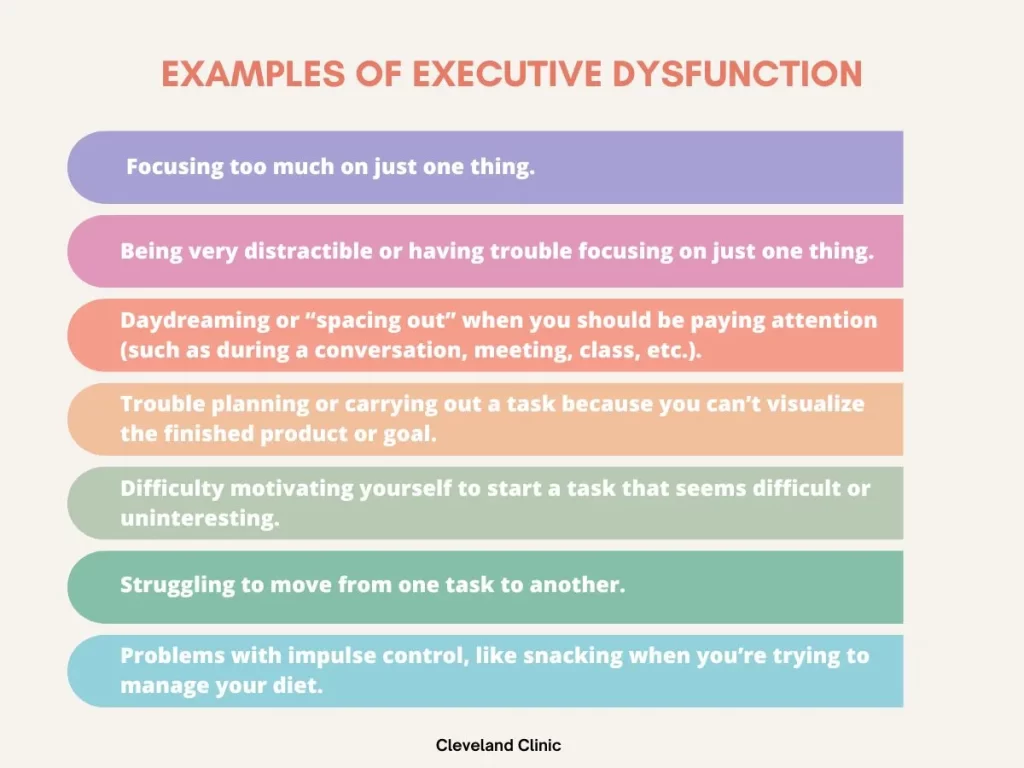
When those skills don’t come naturally, something as simple as remembering to wash hands, brush teeth, or shower can get lost in the chaos of the day.
You might:
- Lose track of time and suddenly it’s the end of the day.
- Plan to shower but get distracted by a notification.
- Feel paralyzed by not knowing where to start.
I once had a friend who set out to brush her teeth but ended up reorganizing her makeup drawer because she got sidetracked.
She laughed about it but it was also frustrating for her.
That’s the ADHD brain in action—pulled in a hundred directions, all while something important (like dental hygiene) gets skipped.
I have a post on Best Tips On How To Overcome An ADHD Shame Spiral
2. Sensory Sensitivities and Overload

For many of us, sensory sensitivities and sensory processing issues add another layer of difficulty.
“Sensory processing disorder (SPD) is a difference in the way your brain understands and responds to information from your senses. This includes what you see, hear, smell, taste and touch. It can also affect your movement.” (Read More)
The sensation of water, the water temperature, or even the taste of toothpaste can feel overwhelming.
This is especially true if you also have autism spectrum disorder, where sensory overload is a common feature of ADHD and autism combined.
Some women tell me they dread showers not because of laziness, but because it feels like an assault on their senses.
And let’s not forget dental health.
If toothpaste flavors feel too strong or if you deal with dry mouth (a side effect of some medications), it can make brushing feel unbearable.
Unfortunately, skipping dental hygiene regularly increases the risk of oral health problems, which is why dental professionals emphasize preventive measures and even suggest tools like electric toothbrushes.
The Philips Sonicare 4100 Rechargeable Electric Toothbrush is a great and affordable option.
Tip: to ask you dentist for some free samples and any recommendations of toothpastes that may have a more mild flavor.
3. The Emotional Toll

This isn’t just about hygiene—it’s about how it makes us feel.
Many women experience low self-esteem or harsh emotional responses when they notice hygiene slipping.
A comment from a family member or partner can sting, reinforcing shame.
But here’s what I remind others (and myself): struggling with hygiene is a common struggle tied to symptoms of attention-deficit disorders, not a reflection of your worth.
We have to give ourselves grace.
The Sleep-Hygiene Connection

Poor Sleep = Poor Hygiene
If you’ve dealt with sleep disorders, sleep difficulties, or poor sleep hygiene, you know how much harder it is to care for yourself the next day.
Poor sleep quality and revenge bedtime procrastination (staying up way too late scrolling TikTok or watching Netflix) often mean no energy for daily tasks like showering.
Research even shows the indirect implications of sleep quality on motivation, energy, and self-care.
The American Academy of Sleep Medicine position statement: “Sleep is a biological necessity, and insufficient sleep and untreated sleep disorders are detrimental for health, well-being, and public safety.” (read more)
Not to mention that “less sleep causes symptoms of inattentiveness, forgetfulness, and mood difficulties” among other things.
Addressing sleep through healthy sleep habits and bedtime routines often improves hygiene too.
Practical Tips for Better ADHD Hygiene

Here’s the best way I’ve found to tackle hygiene without overwhelm:
Break It Into Manageable Steps
Instead of trying to do everything, focus on manageable steps:
- Brush teeth morning and night (or at least once if that feels doable).
- If showering feels like too much time, you can use body wipes.
- If you can’t face a full shower, wash the most important parts.
- Place visual aids (like sticky notes) in your bathroom.
Use Tools and Technology
- Set a specific time with phone alarms or reminders.
- Use an organization app to build in hygiene reminders.
- Keep electric toothbrushes in easy-to-reach places.
- You can even use visual inspiration: like watching a few tiktoks on dental hygiene to get you started.
Positive Reinforcement
Celebrate wins!
Even if you showered once this past week, give yourself credit.
Use positive reinforcement to make it feel rewarding.
If you’re having a hard time, baby steps is the way to go.
What matters is that you are moving forward.
Supportive Lifestyle Changes
- Add physical activity to your day—it boosts motivation for daily tasks.
- Focus on healthy sleep and bedtime routines to reduce fatigue.
- Create a supportive home environment where hygiene is easier (e.g., keeping body wipes near your bed for nights when you can’t get up).
The Good News

Here’s the good news: while hygiene may feel like a daily struggle, it’s a challenge you can absolutely work through.
Building consistent showering routines, finding practical tips that suit your lifestyle, and asking for help from a family member when needed can go a long way.
Remember, small changes build into big wins.
You don’t have to overhaul everything today—just try one manageable step this week.
FAQs About ADHD and Hygiene

1. Why is hygiene a common struggle for women with ADHD?
Because of executive dysfunction, time management issues, sensory sensitivities, and sleep problems. These are important factors, not personal failures.
2. How does sleep affect hygiene routines?
Poor sleep hygiene, sleep disorders, and circadian rhythm disruptions lower energy for daily tasks. Improving sleep through use of sleep hygiene interventions makes hygiene easier.
3. What can help with dental hygiene?
Using electric toothbrushes, addressing dry mouth, and regular visits with dental professionals can prevent oral health problems.
Book Recommendations

“Women with Attention Deficit Disorder” by Sari Solden
“Women with Attention Deficit Disorder“. Sari Solden’s book was a game-changer for me. It dives deep into the unique ways ADHD affects women, covering everything from emotional regulation to time management.
Solden’s compassionate approach and personal anecdotes make it a relatable read.
I remember reading her description of “living with constant overwhelm” and feeling like someone finally understood my daily struggles.
I have a post on Best ADHD In Women Books To Better Understand Yourself.
In this post you read about the Best Tips For ADHD And Hygiene You Will Love.

To Summarize
Hygiene challenges with ADHD are a common feature of ADHD, but they don’t define you.
With practical tips, positive reinforcement, and small lifestyle changes, you can improve your routines and boost your quality of life.
If this is something you’re struggling with, try picking one area (like brushing your teeth at a specific time) and track your progress for a week.
Share this with a family member or a friend who can support you.
And most importantly—be kind to yourself.
The adhd brain needs compassion, not criticism.
Ready to take a step? Pick one manageable step today and notice the difference by the end of the day.
Other Posts You Will Love
- Best Tips to Overcome ADHD Decision Fatigue In Women
- Best Tips On How To Overcome An ADHD Shame Spiral
- Best Executive Function Planner For Adults You Will Love
- Best Tips For ADHD Fixation In Women You Will Love
- Inattentive ADHD In Women. Tips And Tricks You Will Love
About The Author
Written by Belén, a former therapist, late-diagnosed neurodivergent woman, and stay-at-home mom to her autistic son. She creates thoughtful, practical content to support caregivers and families navigating hospital stays, disability, and neurodivergent life.